Skilled Diesel Engine Repair Service: Ensure Your Engine Running Smoothly
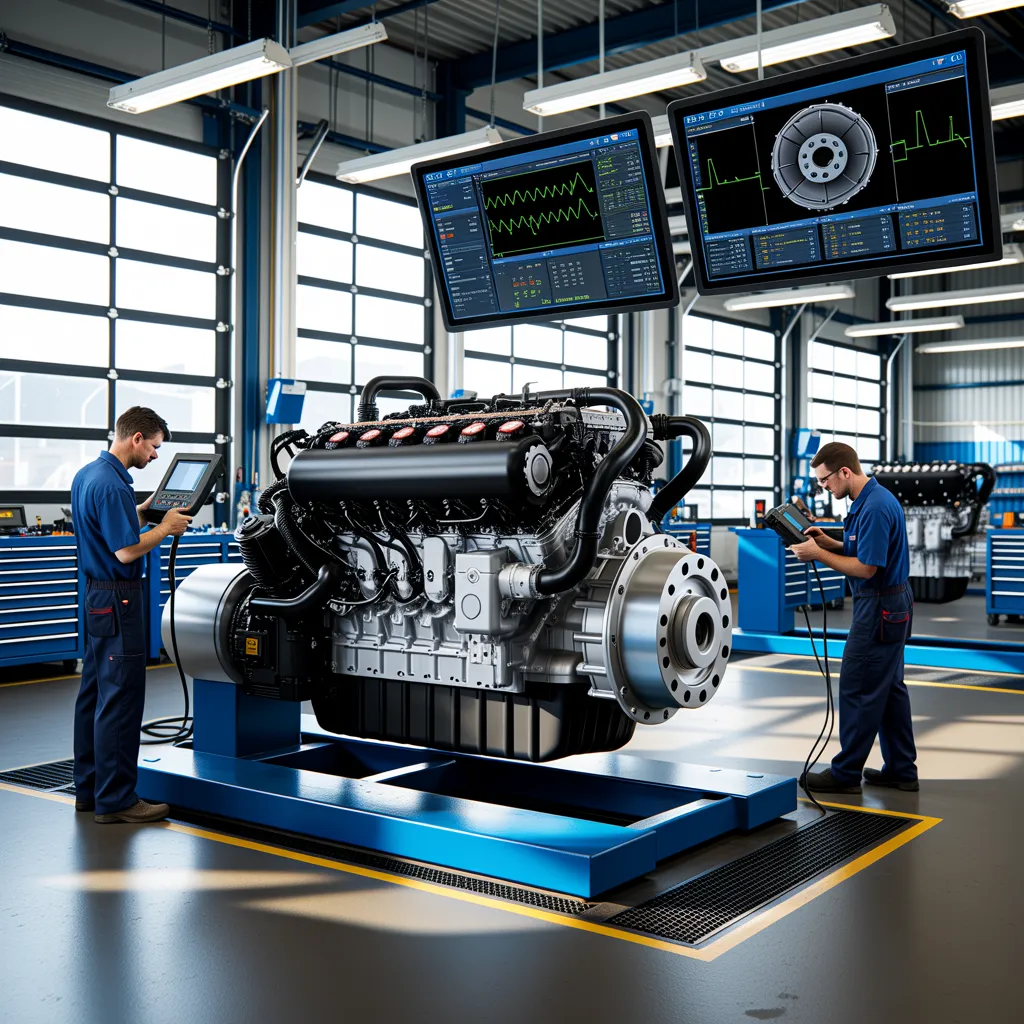
Specialist diesel engine repair offerings hold significant importance in maintaining engine performance and trustworthiness. Trained technicians implement advanced diagnostic tools to uncover issues before they deteriorate. Preventive maintenance not only boosts performance but also enhances the engine's useful life. Noting the symptoms that demonstrate your engine needs service is crucial. Because routine problems can surface without notice, knowing remedies can save money and effort. What should one examine when pursuing expert assistance?
Recognizing When Your Diesel Engine Needs Assistance?
How can one identify when a diesel engine requires attention? Several signs suggest that a diesel engine may need repair. Unusual noises, such as knocking or hissing, often indicate internal issues. Additionally, excessive smoke from the exhaust—particularly black, blue, or white—can point to fuel inefficiencies or oil leaks. A significant drop in performance, including reduced power or stalling, signals potential problems that require immediate inspection. Monitoring fluid levels is essential; low oil or coolant levels may warn of leaks or other issues. Moreover, an illuminated warning light on the dashboard should not be ignored, as it indicates the engine management system has detected a malfunction. Finally, any noticeable changes in fuel consumption can also be a red flag. Recognizing these signs early can prevent more extensive damage to the engine and preserve its longevity.
The Necessity of Regular Diesel Engine Servicing
Diesel engine maintenance on a regular basis is essential for guaranteeing optimal output and lifespan. Scheduled inspections and servicing help in identifying emerging problems before they turn into substantial costs. Keeping the engine clean, replacing the oil on a regular basis, and inspecting filters represent vital practices that enhance efficiency and minimize emissions. Additionally, monitoring fuel quality and caring for the cooling system prevent overheating and enhance overall reliability.
Neglecting maintenance can result in reduced fuel efficiency and increased wear on engine components, ultimately reducing the engine's lifespan. Regular inspections also provide opportunities to update software or make necessary modifications to optimize performance. Moreover, adherence to a maintenance schedule helps maintain warranty coverage and guarantees compliance with environmental regulations. By emphasizing regular diesel engine maintenance, owners can experience a more economical, powerful, and dependable engine, contributing to lower operational costs and minimized downtime.
Why Diesel Engine Maintenance Services from Experienced Technicians Are Important
Specialist diesel engine repair services play a key role in ensuring accurate diagnostics and effective remedies. By resolving issues promptly, they help prevent expensive breakdowns that can disrupt operations. Additionally, their expertise contributes to improving the overall longevity of diesel engines, safeguarding investments over time.
Expertise Ensures Accurate Diagnosis
When a diesel engine presents with challenges, the importance of expert assessment cannot be overstated. Qualified mechanics bring the understanding and instruments necessary to accurately spot problems that may not be immediately recognizable. Their proficiency allows them to interpret complex data from testing equipment, ensuring that the source of the challenge is pinpointed rather than simply managing superficial symptoms. This thorough approach minimizes the possibility of incorrect assessment, which can lead to unwarranted repairs and drawn-out downtime. Furthermore, professional assessment adds to to a more productive maintenance process, allowing for rapid and beneficial remedies. In conclusion, placing trust in on experts not only enhances engine output but also preserves the longevity and dependability of the diesel engine, making it an indispensable component of care.
Eliminates Expensive System Failures
Preventing expensive failures is a main advantage of utilizing professional diesel engine maintenance services. These experts have the expertise and background to detect potential issues before they develop into significant problems. Routine maintenance, performed by skilled technicians, ensures that engines function effectively, decreasing the likelihood of unexpected failures. By tackling minor repairs promptly, professional services reduce risks linked with substantial damage, which can lead to costly repairs and prolonged downtime. Additionally, professional diagnostics help in understanding the engine's specific needs, enabling tailored solutions that improve performance. Investing in such services ultimately protects against the monetary strain that unforeseen breakdowns can impose, guaranteeing that operations remain uninterrupted and costs are kept in check.
Boosts Engine Longevity
Employing professional diesel engine repair solutions not only staves off costly breakdowns but also significantly enhances engine longevity. Skilled technicians have specialized knowledge and tools to identify and rectify potential problems before they escalate. Consistent maintenance, including oil changes and filter replacements, guarantees optimal performance and decreases wear on engine components. Additionally, these services typically incorporate modern diagnostic techniques that locate inefficiencies or malfunctions that could otherwise be overlooked. By tackling problems early, diesel engine repair specialists can greatly extend the operational life of the engine. This proactive approach cultivates reliability and efficiency, ultimately leading to reduced operational costs over time. Fundamentally, investing in expert repair services is a strategic decision for those seeking long-lasting performance from their diesel engines.
Top Diesel Engine Troubles and How to Resolve Them
Throughout the world of diesel engines, multiple typical problems can limit performance and efficiency. Acknowledging these problems, together with deploying preventative maintenance and effective repair techniques, is important for optimal operation. This review will detail key challenges and solutions for maintaining diesel engine reliability.
Standard Diesel Engine Malfunctions
Diesel engines, known for their durability and efficiency, can encounter a variety of issues that may impede performance. One common problem is contaminated fuel, which can lead to poor combustion and reduced power. Additionally, injector failure is a common problem, often causing misfiring or rough idling. Another issue is overheating, usually caused by coolant leaks or a malfunctioning thermostat, which can significantly harm engine components. Restricted air intake, such as blocked filters, can limit airflow and reduce performance. Finally, abundant exhaust smoke may indicate partial combustion, often associated with damaged piston rings or defective valves. Addressing these problems promptly is essential to preserving the best engine performance and longevity.
Preventive Maintenance Instructions
To preserve a diesel engine's functionality, consistent preventive care measures are critical to avoid common complications. Performing routine oil changes is important, since fresh lubricant guarantees proper lubrication and reduces wear. Regular checking and replacing of fuel filters prevents clogging that may damage engine performance. It's also essential to monitor coolant levels and confirm the cooling system works effectively to avoid overheating. Furthermore, inspecting and maintaining the air intake system is key for optimal combustion. Frequent examination of belts and hoses for wear prevents unexpected failures. Lastly, conducting periodic diagnostics helps identify potential problems early, enabling timely intervention and reducing costly repairs. Following these steps promotes engine longevity and dependability.
Service Techniques Analysis
Pinpointing and fixing widespread diesel engine problems is critical for ensuring outstanding functionality and service life. Widespread difficulties include fuel system issues, overheating, and excessive exhaust output. Effective restoration techniques often require diagnostics to pinpoint the underlying problem, followed with purposeful interventions such as installing new fuel injectors or cleaning fuel filters. Overheating can be managed by monitoring coolant quantities and reviewing the radiator, while exhaust difficulties may require the replacement of the catalytic converter. Routine servicing, including oil changes and air filter replacements, can prevent many problems from surfacing. By putting into practice these repair strategies, diesel engine owners can enhance reliability and efficiency, in the end extending the life of their engines.
Choosing the Best Diesel Engine Service Center
When looking for the ideal diesel engine repair shop, one must consider multiple factors that can greatly impact the important information quality of service. First, the shop's standing is essential; online feedback and customer accounts can shed light on previous customer experiences. In addition, the credentials and experience of the technicians are paramount, as skilled professionals can properly identify and resolve issues.
Having modern equipment and technology is equally important for proficient repairs. A shop that is well-equipped is able to execute repairs productively and accurately. Further, transparent pricing and clear service warranties can signify a trustworthy establishment.
Finally, proximity with the customer's location may increase accessibility, notably during emergencies. By carefully evaluating these elements, customers can make educated choices when picking a diesel engine repair shop that meets their specific needs.
Suggestions for Maximizing the Lifespan of Your Diesel Engine
A number of easy practices can markedly prolong the operational life of a diesel engine. Preventative maintenance is indispensable; following the manufacturer's maintenance timetable secures timely oil service and filter maintenance. Opting for high-quality fuel can furthermore provide a significant result, as it reduces the probability of injector deposits and improves combustion efficiency.
Monitoring coolant heat is vital. Excessive heat can bring about significant deterioration, so sustaining adequate coolant levels and resolving any leaks immediately is important. Moreover, maintaining the intake filter system unobstructed prevents dust and dirt from penetrating the engine, which can lead to degradation.
Driving patterns matter too; refraining from excessive idling and quick acceleration helps reduce strain on the engine. In conclusion, investing in a credible diagnostic tool allows for early problem detection, supporting proactive efforts that prevent pricey repairs. By following these strategies, diesel engine owners can maintain their engines' reliability and efficiency for years to come.
Often Posed Questions
What's the best way to discover a experienced Diesel Engine Technician?
To find a proficient diesel engine technician, one should request recommendations, read internet feedback, confirm credentials, and explore experience with specific engine types. Evaluating several professionals guarantees selecting the most skilled professional for the job.
What Equipment Do I Require for Basic Diesel Engine Maintenance?
Necessary instruments for diesel engine upkeep include wrenches, screwdrivers, pliers, oil filters, a multimeter, a fuel pressure gauge, and a torque wrench. These instruments ensure proper upkeep and troubleshooting of diesel engines.
Is It Feasible to perform My Own Diesel Engine Service?
Yes, one can carry out their own diesel engine servicing with the appropriate tools, knowledge, and protective measures. However, intricate problems may demand professional assistance to assure peak performance and prevent further damage to the engine.
How frequently Should I Inspect My Diesel Engine's Oil Amount?
Inspecting a diesel engine's fluid amounts every 5,000 to 7,500 miles is advisable. Consistent evaluations guarantee optimal performance and avert potential damage, facilitating timely service and enhancing the engine's longevity and efficiency.
What Standard Red Flags Show a Weakening Diesel Fuel Injector?
Common symptoms of a failing diesel fuel injector include rough engine idle, decreased fuel efficiency, substantial smoke from the exhaust, engine misfires, and a noticeable rise in engine noise during operation. Regular inspections are advisable.